Link building today doesn’t look the same as it did five or even two years ago. With new search updates rolling out regularly and the rise of AI tools changing how people find and consume information, the game has shifted.
What is a PR link?
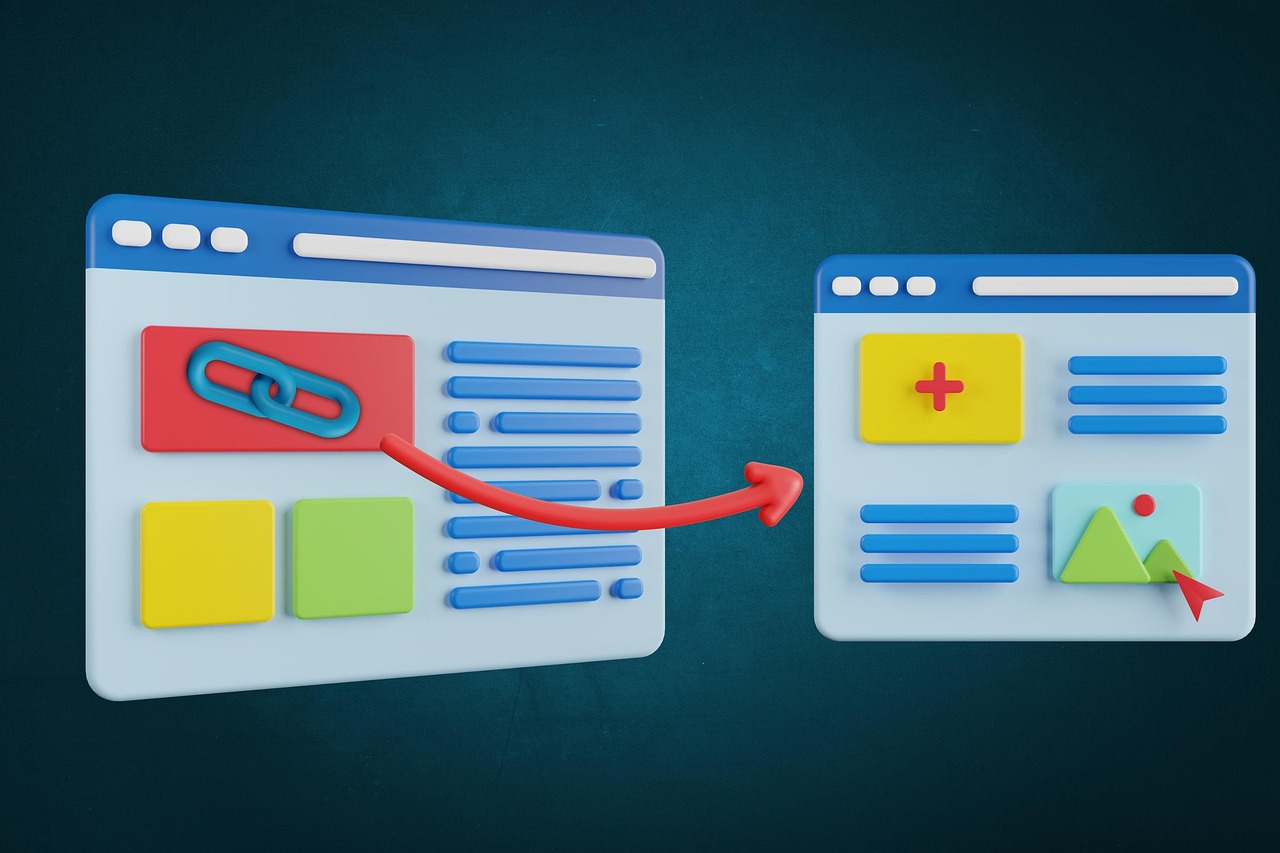
At its simplest, a PR link is a backlink from a news site, magazine, or other media outlet to your website. Think of it as a digital stamp of approval, a journalist or publication has decided your brand is credible enough to cite.
Search engines love these kinds of links because they signal authority. Readers love them because they’re usually tucked inside trusted articles they’re already engaging with. A real win-win!
Is Link building still Relevant?
Yes! But not in the classic, ‘collect as many links as possible’ way it used to be. Google’s algorithm updates over the past few years have pushed hard for quality over quantity.
Here’s what’s changing:
Relevance is everything
A single link from a highly relevant source can outweigh dozens of random mentions from sites that have nothing to do with your niche.
Authority matters
Links from respected outlets or subject-matter experts carry more weight than generic blogs or low-quality sites.
Context counts
Search engines are getting smarter at reading the content around your link. If it makes sense in the context, it’s far more valuable.
And now, we’re seeing another shift… With the rise of large language models (LLM)-powered search experiences (like Google’s AI search), links are no longer just about ranking higher, they’re also about being recognised as a trusted source that can surface in AI-driven answers.
The rise of LLMs and what it means for links
LLMs, like ChatGPT or Google’s AI-powered search tools, don’t just look at traditional ranking signals, they’re trained on vast amounts of web data, not just links.
That means:
Authoritative sources will be surfaced more often. If a journalist or credible site links back to you, your brand is more likely to be seen by LLMs as a trustworthy reference.
Content depth and originality matter. Thin, repetitive content won’t cut it. AI tools are trained to search and recommend the most useful, detailed answers.
Brand visibility goes beyond rankings. Even if AI-powered results cut down on clicks to websites, being cited (directly or indirectly) as the source of information keeps your brand in the spotlight and front of mind for your audience.
How to build PR links without being pushy
No one, especially journalists, wants to feel like they’re being used for free advertising. If your links don’t add value, they’ll definitely get cut.
A few ways to make your links feel natural and include that value add:
- Lead with data. Journalists love stats and original data. A well-designed landing page with original research, surveys, or reports gives them a reason to cite you.
- Offer supporting resources. Got details that didn’t fit in your press release? Publish a blog post that expands on the story, and link back to it in your pitch.
- Think visual. Infographics, charts, and interactive tools are highly shareable and give journalists an easy excuse to link back and keep citing your work.
Be helpful, not promotional. Frame your content and links to strengthen the story, not to make it all about you and your own website KPIs.
Don’t forget organic sharing
Outreach is just one side of the coin. The other is publishing content so good people want to link to it. Think of guides and evergreen resources that naturally attract citations over time. In a world where LLMs are rewriting how we consume information, this kind of content also positions your brand as a go-to source for AI-driven summaries and answers.
In short, creating strong original content is a win for everyone and the best way to go after those PR links!





.svg)